
A standard homeowners or renters policy covers many everyday belongings, but certain categories often come with lower limits or narrower terms. A rider or endorsement for high-value personal property adjusts the base policy for specific items such as jewelry, cameras, collectibles, electronics, fine art, musical instruments, or specialized hobby gear.
Insurers use several names for this type of coverage. You might see “scheduled personal property,” “personal articles floater,” “rider,” or “endorsement” on a quote or policy document. The wording differs, but the basic idea is the same: selected items receive their own descriptions, values, limits, and claim terms.
The endorsement does not replace the homeowners, condo, or renters policy. It becomes part of that contract. For that reason, the declarations page, schedule, exclusions, deductible language, and loss-settlement provisions all need to be read together.
How Does a Rider or Endorsement for High-Value Personal Property Work?

A rider or endorsement for high-value personal property changes a defined part of the existing policy. It might raise a category limit, list an item separately, apply a different deductible, or cover a broader set of accidental losses than the base policy.
This matters because the overall personal property limit does not always show how much protection exists for one valuable item. A policy could provide a substantial limit for belongings as a whole while still placing a much smaller special limit on jewelry, coins, stamps, cameras, or collectibles. Some special limits apply only to theft. Others apply to every covered loss within that category.
The endorsement identifies which rule changes and which terms stay in place. Phrases such as “the following is replaced,” “this coverage is added,” or “all other provisions remain unchanged” show how the new wording interacts with the original contract.
What “Listed” or “Scheduled” Items Mean
High-value property is often insured on a scheduled basis. Instead of treating the item as part of one broad household limit, the insurer records it on a separate schedule attached to the policy.
A schedule often includes:
-
A clear description of the item
-
Brand, model, serial number, or identifying marks
-
Purchase date and proof of ownership
-
Photographs
-
Appraised or agreed value
-
The coverage limit assigned to the item
This item-by-item structure is important. If a camera, ring, collectible, or instrument is not shown correctly on the schedule, it might fall back under the base policy and its standard limits.
Some insurers require every item to be listed separately. Others allow a blanket limit for a collection, with the most valuable pieces identified one by one. A coin collection, for example, might have one overall limit plus a lower maximum for any single coin. The declarations page should make that structure clear.
Descriptions deserve close attention. “Diamond ring” is less useful than a description that includes the metal, stone details, distinguishing features, and appraisal information. Accurate wording makes ownership and identity easier to establish after a loss.
What Types of Property Are Commonly Scheduled?

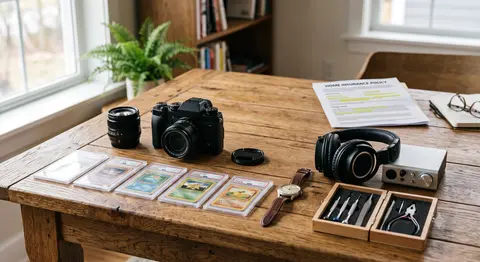
Eligibility depends on the insurer and policy form, but scheduled property often includes:
-
Jewelry and watches
-
Cameras, lenses, and production equipment
-
Fine art, antiques, coins, and stamps
-
Sports cards and other collectibles
-
Musical instruments
-
High-end electronics
-
Bicycles and sporting equipment
-
Specialized tools and hobby gear
The category alone does not determine whether an item qualifies. Insurers also look at value, condition, storage, portability, and use. A camera kept for family travel presents a different risk from the same camera used every weekend for paid events. The same distinction applies to musical instruments, electronics, tools, and other equipment that crosses from personal use into business activity.
That is why the application often asks where the item is stored, how frequently it leaves the home, who uses it, and whether it generates income. Incomplete information can create problems later, especially when the endorsement restricts professional use.
Why an Appraisal Matters
An appraisal gives the insurer a documented description of the item and a reasoned estimate of value. It is especially useful when the original receipt is old, the item was inherited, the property is rare or custom-made, or the market has changed since purchase.
Purchase price and insurable value are not always the same. A collectible bought years ago might now be worth more or less. A custom ring might cost more to replace than its resale value suggests. Fine art, vintage equipment, and rare hobby items often depend on condition, provenance, scarcity, and current market demand.
A strong appraisal identifies the item in enough detail to distinguish it from similar property. It might include photographs, materials, dimensions, serial numbers, condition, maker information, provenance, or comparable sales. The insurer can also set rules for the appraiser’s qualifications and the age of the report.
An appraisal does not stay accurate forever. Jewelry values shift, collections grow, and rare items move with the market. At renewal, the insurer might ask for a newer report or updated documentation. Even when no new appraisal is required, reviewing the scheduled amount helps prevent the policy from relying on outdated information.
It is also worth separating a pre-policy appraisal from a claims appraisal. The first supports the description and value used to schedule the item. The second is a dispute-resolution process that can apply when the insurer and policyholder disagree about the amount of a covered loss.
How the Endorsement Affects the Premium
Adding scheduled property usually changes the premium because the insurer is taking on a specific additional exposure. The amount depends on more than the item’s value. Portability, fragility, theft risk, storage, security measures, travel, prior claims, and professional use all affect underwriting.
A watch worn daily outside the home is not evaluated in the same way as an artwork secured in one location. Camera gear that travels frequently also presents a different exposure from equipment stored in a locked cabinet. Two items with similar values can therefore produce different premium changes.
The declarations page or endorsement schedule should show the additional charge or explain how it is included in the policy premium. Changes in value, location, ownership, or use can alter that charge at renewal.
There is no universal pricing formula for a high-value property rider. The insurer’s filed rates, underwriting rules, state requirements, and selected coverage terms all play a role. For that reason, a useful review focuses on what the endorsement covers and how it settles a loss rather than trying to estimate a standard price.
Related Posts

Broader Coverage Still Has Limits
Scheduled property coverage is often broader than the protection available under the base policy, but broader does not mean unlimited. Exclusions still matter.
Wear and tear, gradual deterioration, corrosion, insects, inherent defects, faulty repair, mechanical breakdown, and intentional loss are common areas of restriction. Business use, unexplained disappearance, storage in certain locations, or property left in another person’s care also deserve attention. The exact policy language controls.
The endorsement should also state whether coverage follows a named-perils or open-perils structure. Named-perils coverage responds only when the loss results from a cause listed in the contract. Open-perils coverage starts from a broader position, covering direct physical loss unless the cause is excluded or limited.
Even an open-perils form contains exclusions and conditions. A broader trigger does not erase documentation requirements, valuation rules, territorial limits, or duties after a loss. Reading only the marketing description and skipping the contract can leave important gaps unnoticed.
Deductible Differences
The deductible for scheduled property does not always match the deductible on the rest of the homeowners or renters policy. Depending on the form, the endorsement could apply:
-
No deductible
-
A separate fixed deductible
-
A lower deductible
-
The same deductible as the base policy
-
Different deductibles for different categories or causes of loss
This difference has a direct effect on smaller claims. It also matters when one incident damages both a scheduled item and unscheduled property.
Suppose a covered event damages a listed camera and several ordinary electronics. The policy needs to explain whether one deductible applies to the entire event, whether separate deductibles apply to different parts of the claim, or whether the scheduled item is settled without a deductible.
When reviewing a rider or endorsement for high-value personal property, check the declarations page and the endorsement itself. A general statement from a quote or website is not a substitute for the deductible written into the contract.
How Claim Value Is Determined
The amount shown on the schedule is important, but it does not always equal the automatic claim payment. The loss-settlement provision explains how the insurer calculates the amount owed.
Actual cash value takes depreciation into account. Replacement cost focuses on the cost of replacing the item with property of similar kind and quality, subject to the policy’s limits and conditions. Agreed value uses an amount established when the item is scheduled, although the contract still defines how that amount applies to partial and total losses. Market value is more relevant for property such as art, antiques, coins, and collectibles, where rarity, condition, and buyer demand influence the result.
These terms should not be treated as interchangeable. A scheduled amount, a replacement-cost provision, and an agreed-value clause answer different questions. The item could be listed for one amount while the claim is still subject to repair options, partial-loss rules, depreciation, or a stated maximum.
Partial losses deserve special attention. A damaged watch, camera, artwork, or instrument might be repairable. The policy should explain how repairs are approved, whether loss in value after repair is considered, and what happens when matching parts or materials are unavailable.
Renewal Updates Are Part of the Coverage
A rider or endorsement for high-value personal property should be reviewed when the policy renews and whenever the item changes in a meaningful way. The schedule is only as accurate as the information behind it.
A new purchase, sale, gift, inheritance, restoration, upgrade, or change in market value can make the existing schedule outdated. The same is true when an item moves to a different location or starts being used for paid work. New pieces added to a collection are not typically eligible under standard peril conditions automatically, and items that have been sold can remain on the schedule until the policy is updated.
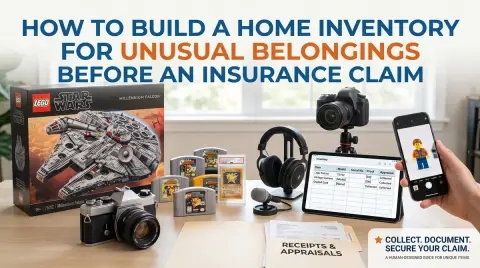
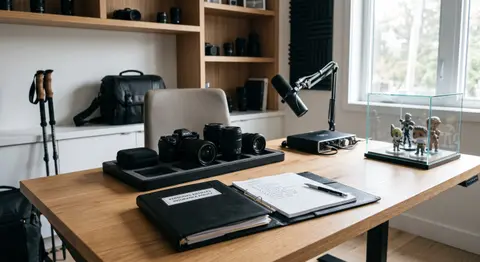
Keep receipts, appraisals, photographs, serial numbers, and policy schedules somewhere accessible. Cloud storage or another location outside the home can be useful after a major loss. When an insurer asks for updated documents, compare the revised description and value with the new declarations page rather than assuming the change was entered correctly.
Questions Worth Asking Before Adding or Renewing Coverage
| Question | Why It Matters | What to Ask Your Agent |
|---|---|---|
| Is the item individually listed? | Unlisted property could remain subject to the base policy’s limits. | “Will this item appear by description and value on the policy schedule?” |
| What valuation method applies? | Replacement cost, actual cash value, market value, and agreed value produce different outcomes. | “How will the item’s value be calculated after a covered loss?” |
| Is an appraisal required? | The insurer might need recent documentation before adding or renewing the item. | “How recent must the appraisal be, and are there appraiser requirements?” |
| Which causes of loss are covered? | Broader coverage can still contain important exclusions. | “Is the item covered on a named-perils or open-perils basis?” |
| Does a deductible apply? | A separate, reduced, or zero deductible changes the claim payment. | “Which deductible applies specifically to this item?” |
| Is the item covered away from home? | Portable property is often used, stored, or transported in different places. | “Are there territorial, travel, or off-premises restrictions?” |
| Is unexplained disappearance covered? | Missing property is not always treated the same as confirmed theft. | “What evidence is required when the cause of disappearance is unknown?” |
| Is business use restricted? | Personal and professional use can receive different treatment. | “Would occasional paid use change or limit coverage?” |
| How are partial losses handled? | Repair, loss in value, and matching issues affect settlement. | “How does the policy handle repairs and any remaining loss in value?” |
| What must be updated at renewal? | Ownership, value, location, and usage change over time. | “When do you require a new appraisal or revised schedule?” |
Reading the Endorsement Without Getting Lost
Start with the declarations page and confirm that every listed item appears correctly. Then compare the schedule with the endorsement wording. The description, assigned value, deductible, and coverage form should match the information provided to the insurer.
Next, read the endorsement alongside the base policy. Look for language that explains which section is added, replaced, or left unchanged. Then review the valuation clause, covered causes of loss, exclusions, territorial limits, business-use restrictions, and duties after a loss.
The value of a rider or endorsement for high-value personal property lies in its details, not its label. A well-documented schedule, a clear valuation method, a known deductible, and an up-to-date appraisal make the contract easier to understand before a claim occurs. The goal is not to assume that every valuable item needs separate coverage, but to see how the base policy treats the property and what the endorsement would actually change.
For tech enthusiasts with specialized setups, you can learn how these coverage limits apply to your equipment by reading our guide on home lab server rack insurance.
To help navigate these policy details, you can refer to our Glossary of Insurance Terms for Collectors and Hobby Equipment Owners.