Humidifier damage in a hobby room is usually divided into two different insurance questions: what caused the moisture, and how quickly the damage occurred. A sudden, accidental water discharge from a failed tank, hose, or valve may receive consideration under the policy’s water-damage provisions. Damage caused by weeks or months of humidifier vapor, condensation, elevated relative humidity, mold, rot, or corrosion is commonly excluded. That distinction matters in grow rooms, studios, workshops, music rooms, archives, and other spaces where wall, window, flooring, furniture, or equipment damage may develop gradually.
Does Homeowners Insurance Cover Humidifier Damage?
There is no universal yes-or-no answer. Coverage depends on the policy wording, the cause of loss, the type of property damaged, applicable exclusions, endorsements, deductibles, and the evidence available after the incident.
A sudden and accidental discharge may be treated differently from continuous humidity. For example, a humidifier reservoir that unexpectedly cracks or a supply connection that abruptly fails can create a discrete water event. By contrast, a humidifier that releases vapor into an enclosed room every day can produce condensation, elevated humidity, peeling paint, swollen wood, fungal growth, corrosion, and deterioration of stored property. Those gradual conditions are commonly limited or excluded under property policies.
The appliance itself is not automatically insured simply because it caused damage. Coverage for the humidifier may depend on whether the policy covers the particular type of equipment failure. The resulting damage to the building or contents is analyzed separately.
Sudden Malfunction vs. Continuous Humidity Accumulation
Start with the timeline. Was there a specific event that released water, or did the room remain excessively humid until damage became visible?
A sudden event usually leaves a concentrated physical pattern: a pool beneath the appliance, a wet section of flooring, a failed connector, or a clearly cracked reservoir. Gradual humidity produces a different pattern. Damage may appear at cold window edges, behind furniture, inside wall cavities, around baseboards, or across several surfaces at different heights.
Those observations do not decide a claim by themselves. They help the insurer, contractor, or building professional investigate whether the reported damage is consistent with a single discharge or with repeated environmental exposure.
| Factor | Sudden Appliance Failure | Continuous Humidity and Condensation |
|---|---|---|
| Typical event | An identifiable tank, hose, fitting, or valve failure releases water unexpectedly. | Vapor, moisture, or condensation accumulates over an extended period. |
| Possible coverage posture | May be considered if the policy covers the resulting accidental discharge and no exclusion applies. | Commonly restricted or excluded as seepage, condensation, humidity, wear, deterioration, or mold-related damage. |
| Common damage pattern | Localized pooling, wet flooring, swelling near the discharge point, and immediate water staining. | Mildew, soft drywall, peeling paint, swollen trim, corrosion, wood warping, or repeated window condensation. |
| Important evidence | The failed component, photographs taken promptly, repair records, and a timeline of the event. | Humidity records, ventilation information, staining patterns, maintenance history, and evidence of how long the condition existed. |
Why Hobby Rooms Create Coverage Problems
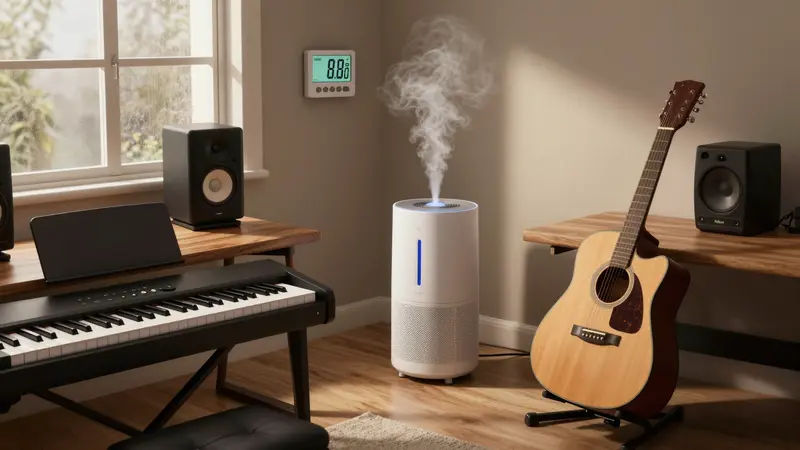
Hobby rooms often require environmental conditions that are unusual for ordinary residential use. A grow tent may need regular moisture. A musical-instrument room may require stable humidity. A workshop may contain water-based processes, while an archive or electronics bench may hold items vulnerable to condensation.
The insurance issue is not necessarily that the room is used for a hobby. The issue is whether the chosen equipment and operating conditions created a foreseeable, gradual source of damage, whether the activity changes the character of the risk, and whether the policy contains exclusions or limitations relevant to the property.
Humidity can affect several categories of property:
- Walls and ceilings: Paint may blister, drywall may soften, and insulation or framing may remain damp inside a cavity.
- Windows and trim: Repeated condensation can damage sills, jambs, paint, sealants, and adjacent flooring.
- Floors: Standing water can cause localized swelling, while prolonged high humidity can contribute to cupping, buckling, or deterioration.
- Furniture: Veneer, solid wood, upholstery, and adhesives may react to sustained moisture.
- Instruments: Wood instruments, keyboards, recording equipment, and cases may suffer warping, corrosion, or mold growth.
- Electronics: Moisture can corrode contacts and circuit boards, particularly where condensation forms or airflow is poor.
- Collections and records: Paper, photographs, textiles, books, and collectibles may develop odor, staining, distortion, or fungal growth.
Damage to specialized plants may not be treated like damage to ordinary household contents. Some plants, cultivation equipment, business property, or high-value collections may require separate coverage, endorsements, or a commercial policy. A dedicated collection or equipment policy may also impose its own maintenance, security, environmental-control, or reporting conditions.
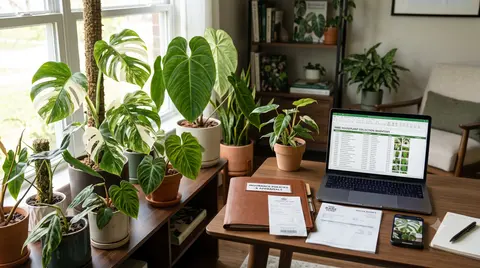
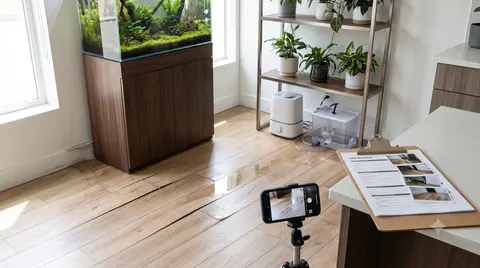
For related risks, homeowners managing valuable plants can review rare houseplant collection insurance, while owners of aquariums and plant rooms may benefit from a water damage claim checklist for aquariums and plant rooms.
Policy Provisions and Exclusions to Review
Continuous or Repeated Seepage and Leakage
Many property policies restrict losses caused by continuous or repeated seepage, leakage, or the gradual release of water. The wording may address both the initial damage and later damage that results from failing to correct the condition.
A claim can become difficult when the visible loss is discovered on one date but the physical condition appears to have developed over many weeks or months. Discovery is not necessarily the same as occurrence. The insurer may investigate when the damage began, whether the condition was observable, and whether the policy covers the relevant cause.
Humidity, Moisture, Vapor, and Condensation
Some policies expressly address humidity, moisture, vapor, or condensation. Others reach the same result through exclusions for deterioration, repeated seepage, neglect, wear and tear, faulty maintenance, or environmental conditions.
Read the exact wording rather than relying on a general statement that “water damage is covered.” A policy may cover certain accidental water discharges while excluding damage caused by vapor or condensation. It may also cover ensuing damage only when the initiating peril is covered and the exclusion does not remove the loss.
Fungi, Mold, Wet Rot, and Dry Rot
Mold is often addressed through fungi, wet rot, dry rot, or bacteria provisions. The policy may exclude the damage entirely, provide limited coverage in specified circumstances, or offer a separate endorsement with its own conditions and limit.
Do not assume that a mold limit equals the full dwelling or contents limit. Check the endorsement, the limit of insurance, whether the limit is per occurrence or aggregate, the covered causes of loss, and whether testing, removal, repair, or temporary relocation expenses are treated differently.
Wear, Tear, Deterioration, and Maintenance
Long-term humidifier use can raise questions about maintenance. Insurers may examine whether the appliance was installed correctly, whether filters and reservoirs were maintained, whether leaks were visible, whether ventilation was adequate, and whether the owner knew of recurring condensation.
These issues do not automatically determine the outcome. They are factors that can affect causation, exclusions, mitigation, and the amount of any covered loss.
Faulty Installation or Defective Equipment
A policy may treat defective construction, faulty installation, mechanical breakdown, or defective materials differently from resulting accidental damage. The cost to replace a defective part may not be covered even when resulting damage is potentially covered. Product warranties, retailer protections, service contracts, or claims against an installer may be separate avenues to investigate.
Hobby Gear, Furniture, and Policy Type
Building damage and contents damage are separate coverage questions. The policy section covering the structure may be analyzed differently from the section covering movable property. Contents coverage may also vary depending on whether the policy uses named perils, open perils, scheduled property, or a separate inland marine or specialty endorsement.
- Building property: Review how the policy treats walls, floors, trim, ceilings, insulation, permanently installed fixtures, and other parts of the residence. The cause-of-loss analysis remains central.
- Unscheduled contents: Furniture, ordinary tools, electronics, instruments, books, and hobby supplies may be subject to the policy’s general personal-property terms and exclusions.
- Scheduled or separately insured property: Valuable instruments, cameras, collections, artwork, specialty equipment, or unusual items may have broader or narrower terms under a schedule or floater. The endorsement may require appraisals, maintenance, security, or prompt notice of changes.
- Business or commercial property: Property used for a business, paid cultivation operation, studio, or inventory may fall outside ordinary personal-property coverage or be subject to a business-property limitation.
Some policies use named-peril coverage for contents, while others provide broader open-peril protection subject to exclusions. A broader form does not automatically cover humidity damage: an exclusion for condensation, mold, deterioration, or repeated moisture can still control. Conversely, a sudden accidental water discharge may receive different consideration under a broader form or a separately insured equipment endorsement. Confirm the actual policy language with the insurer or a licensed insurance professional.
What to Check in Your Policy Jacket
Gather the complete policy, including the declarations page, forms, endorsements, schedules, and renewal documents. Search for these specific sections:
Related Posts
- Declarations page: Check dwelling, other structures, personal property, loss-of-use, deductible, scheduled-property, and any listed sublimits.
- Section I, Perils Insured Against: Identify how the policy describes accidental discharge or overflow of water or steam and whether the provision applies to the type of property involved.
- Exclusions: Look for continuous or repeated seepage, leakage, humidity, moisture, vapor, condensation, mold, fungi, rot, deterioration, wear and tear, faulty maintenance, and defective installation.
- Mold or fungi endorsement: Determine whether any limited coverage exists, what triggers it, which expenses are included, and whether a separate limit or aggregate applies.
- Scheduled personal-property endorsements: Review special terms for instruments, collections, electronics, artwork, tools, or other high-value hobby property.
- Equipment breakdown coverage: Check whether a separate endorsement addresses mechanical or electrical breakdown and what it excludes.
- Business-property provisions: Confirm whether items used for income-producing activity are excluded, limited, or covered only under a business policy.
- Duties after loss: Read the requirements for notice, protection of property, documentation, cooperation, and preservation of damaged items.
Declarations-page language is important, but it does not replace the full policy wording. A limit shown on the declarations may apply only to a particular category of property or endorsement. If a provision is unclear, request a written explanation from the carrier or consult a licensed insurance professional in your jurisdiction.
Forensics: Window Condensation vs. Humidifier-Generated Moisture
Window damage deserves careful analysis because condensation can have more than one cause. A cold window may collect water because warm indoor air reaches a cold glass surface. This can occur during ordinary household activity, especially in cold weather, even without a humidifier. Failed seals, poor insulation, air leakage, inadequate ventilation, and building-envelope defects can also contribute.
An adjuster or building professional may compare several indicators:
- Location: Is moisture limited to glass and frame edges, or is it concentrated near the humidifier and its airflow path?
- Distribution: Are similar marks present throughout the room, behind furnishings, inside a grow enclosure, or only around one window?
- Seasonality: Does the damage appear during cold-weather temperature differences or during year-round humidifier operation?
- Ventilation: Is there an exhaust fan, dehumidifier, air exchange system, or sealed room design?
- Material depth: Is damage superficial, or are drywall, insulation, framing, and flooring damp inside the assembly?
- Appliance evidence: Are there leaks, mineral deposits, cracks, hose failures, or operating records linking the appliance to a particular event?
Thermal seal failure generally concerns the window assembly and may not establish that the humidifier caused the damage. Conversely, widespread condensation near a continuously operated humidifier may support a gradual environmental explanation. Photographs, moisture readings, maintenance records, weather information, and a written inspection report can help preserve the distinction.
Claim Evidence and Documentation
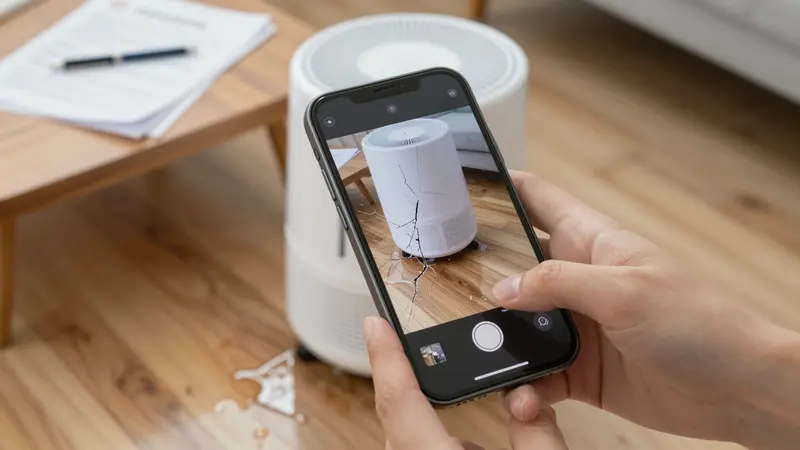
Evidence cannot create coverage where an exclusion applies, but organized records can help establish ownership, condition, timing, cause, and the scope of damage. Claims handling procedures differ by insurer, so follow the carrier’s instructions and avoid making definitive causation statements that you cannot support.
Photograph the Room and Appliance
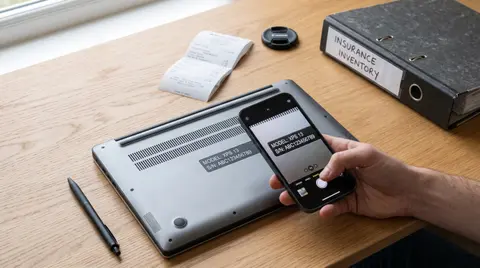
Take wide photographs showing the entire room and close-ups showing the humidifier, water source, flooring, walls, window perimeters, affected furnishings, and visible mold or staining. Photograph labels, model numbers, serial numbers, maker marks, and any broken components.
Do not discard the appliance or failed part unless it presents a safety hazard or the insurer authorizes disposal. If it must be moved, photograph it first, preserve the relevant parts, and record who moved it and when.
Create an Offsite Home Inventory
The National Association of Insurance Commissioners recommends maintaining an updated home inventory. The Insurance Information Institute also provides room-by-room inventory guidance. For hobby property, record:
- Item description, manufacturer, model, and serial number.
- Photographs of serial numbers, maker marks, labels, and pre-loss condition.
- Purchase date, seller, original price, and available receipt.
- Current estimated replacement cost and any appraisal or valuation.
- Location in the hobby room and any scheduled-property reference.
- Unique modifications, accessories, cases, software, or specialist components.
Keep the inventory somewhere other than the insured premises. Cloud storage can preserve photographs, receipts, appraisal certificates, manuals, and spreadsheets if the room becomes inaccessible or the computer stored there is damaged. Use an account with appropriate security and keep a backup in a separate physical location when practical.
Preserve Receipts and Valuation Records
Receipts, card statements, order confirmations, appraisals, service records, and manufacturer documentation can help substantiate ownership and value. For unusual or high-value items, update valuations periodically because replacement cost and availability may change.
Obtain Qualified Inspection and Repair Information
Ask qualified contractors, restoration professionals, flooring specialists, or building-envelope experts to describe what they observed and what work they recommend. A useful report separates:
- Damage associated with a specific water discharge, if one occurred.
- Pre-existing deterioration or damage that appears older.
- Damage consistent with condensation or sustained humidity.
- Necessary emergency work and optional improvements.
- Drying, cleaning, testing, demolition, replacement, and reconstruction costs.
Inspection findings are not automatically conclusive. They should be evaluated alongside the policy language, appliance history, photographs, moisture readings, and the chronology of events.
What to Do After a Humidifier Failure
Most property policies require reasonable steps to prevent additional damage after a loss. These duties generally apply to the extent it is safe and practical to act. They do not require you to perform dangerous electrical, plumbing, mold-remediation, or structural work.
- Stop the source: Turn off the humidifier and disconnect water and electricity when safe. If there is an active plumbing leak, shut off the appropriate water supply or call a qualified professional.
- Protect people first: Avoid energized water, contaminated materials, unstable flooring, and suspected electrical hazards.
- Document before cleanup: Photograph the appliance, origin, standing water, affected surfaces, and contents before moving or discarding items.
- Notify the insurer promptly: Follow the policy’s notice requirements and obtain a claim number and instructions for inspection.
- Separate wet property: Move unaffected contents to a dry location and place damaged items where they can be safely inspected and dried.
- Arrange appropriate mitigation: Use qualified restoration assistance where necessary, particularly for concealed moisture, electrical equipment, sewage contamination, or suspected mold.
- Keep records: Save invoices, receipts, photographs, moisture reports, communication logs, and a dated timeline of every action.
Do not begin extensive demolition or permanent repairs before the insurer has had a reasonable opportunity to inspect, unless immediate action is necessary to prevent further damage or protect health and safety. Keep samples, damaged components, and removed materials when feasible, and tell the adjuster where they are stored.
Educational Claim Example
Consider a hobby room containing a humidifier, hardwood flooring, a digital piano, recording equipment, and paper music scores. The owner discovers water pooled beside the appliance and finds a visible crack in the reservoir. Photographs show a concentrated wet area near the unit, and a technician confirms that the tank failed. The owner reports the event, preserves the appliance, and obtains a drying and flooring estimate.
That discrete discharge may receive consideration under the policy’s accidental-water provisions, subject to the deductible, exclusions, limits, and proof requirements. During the inspection, however, the adjuster also finds darkened window trim, old staining behind shelving, corrosion on recording equipment, and mold growth that appears to have developed during months of elevated humidity. Those conditions may be evaluated separately and may be excluded as gradual moisture, condensation, deterioration, or mold-related damage.
The result could therefore involve a potentially considered flooring or subfloor claim while leaving ambient damage to the piano, electronics, scores, window trim, or wall cavity outside coverage. The actual outcome depends on the policy and evidence; the example does not establish a coverage promise or a fixed repair amount.
How to Reduce Humidifier-Related Losses
- Use a reliable hygrometer and record readings in rooms where humidity is intentionally elevated.
- Follow the humidifier manufacturer’s cleaning, filter, refill, placement, and inspection instructions.
- Place the unit on a stable, water-resistant surface away from walls, windows, outlets, and valuable contents.
- Use automatic shutoff and leak-detection devices where compatible with the equipment.
- Inspect hoses, fittings, reservoirs, floats, seals, and drain connections regularly.
- Provide appropriate ventilation and air circulation for the room and the hobby activity.
- Keep shelving, instruments, electronics, and paper materials away from exterior walls and condensation-prone areas.
- Respond promptly to wet window sills, musty odors, peeling paint, swollen trim, or recurring condensation.
- Ask the insurer before purchasing whether the hobby, equipment, collection, or business use requires an endorsement or separate policy.
- Update the offsite inventory after significant purchases, sales, repairs, or appraisals.
Questions to Ask the Insurer or Agent
- How does this policy treat accidental discharge from a humidifier reservoir, hose, or valve?
- Are humidity, vapor, condensation, seepage, leakage, mold, fungi, rot, or deterioration excluded?
- Is there a fungi or mold endorsement, and what causes of loss trigger it?
- Are high-value instruments, electronics, collections, plants, or hobby equipment subject to special limits?
- Does business use or income-producing activity change coverage?
- Would equipment breakdown or an inland marine endorsement address any part of this risk?
- What documentation is required for scheduled property and unusual items?
- What emergency mitigation expenses may be reimbursable, and what authorization is needed before repairs?
- Which deductible applies to a sudden water discharge, mold claim, or equipment-related loss?
Conclusion
Humidifier damage insurance claims turn on causation and timing. A sudden, accidental water release may be considered under applicable policy provisions, while gradual humidity, condensation, mold, rot, corrosion, and deterioration are commonly excluded or limited. Hobby rooms deserve extra attention because they combine specialized equipment with deliberately controlled environmental conditions.
Read the declarations page, perils section, exclusions, mold or fungi endorsements, scheduled-property forms, equipment-breakdown coverage, and duties-after-loss provisions. Maintain an offsite inventory with serial-number photographs, purchase dates, valuations, receipts, and cloud backups. If a failure occurs, stop the source safely, document the scene, preserve the appliance, notify the insurer, mitigate further damage, and keep a clear timeline.
Editorial & Regulatory Notice
This article is for general educational purposes and is not insurance, legal, tax, engineering, restoration, or mold-remediation advice. Homeowners insurance coverage varies by insurer, state, policy form, endorsements, exclusions, deductibles, limits, and claim-specific facts. No statement here guarantees that a claim will be accepted or denied. The policy contract controls.
Contact your insurer or a licensed insurance professional for advice about your own coverage. For suspected mold, concealed moisture, electrical hazards, structural damage, or contaminated water, use appropriately qualified professionals and follow applicable health, building, environmental, and consumer-protection requirements. Insurance regulation is state-specific; consult your state insurance department for licensing, complaint, and regulatory information.